

How to Buy Property in Costa Rica: Complete Guide
Buying property in Costa Rica has become a serious option for investors, retirees, digital nomads, and lifestyle buyers from the United States and other countries. Costa Rica offers political stability, strong property rights, a welcoming legal system for foreigners, and a high quality of life.
This guide explains how property buying works in Costa Rica, why it matters, and how to make safe and informed decisions.
What It Means to Buy Property in Costa Rica
Foreign buyers can legally own property in Costa Rica with the same rights as citizens. Ownership is registered in the National Registry, which records title, boundaries, liens, and ownership history. Most buyers purchase property under fee simple ownership, which provides full legal control over the land and any structures on it.
Costa Rica does not require residency to buy property. Buyers can purchase in their personal name or through a Costa Rican corporation, which is often used for asset protection and tax planning.
Why Costa Rica Property Investment Matters
Costa Rica stands out in Central America due to its stable democracy, no standing army, and strong environmental protections. The country attracts tourism year round, which supports rental income opportunities.
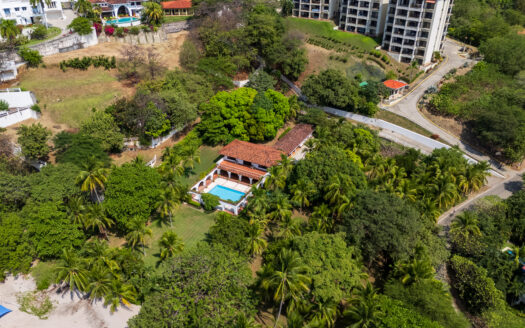
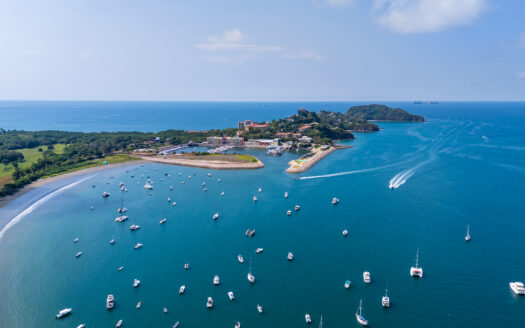
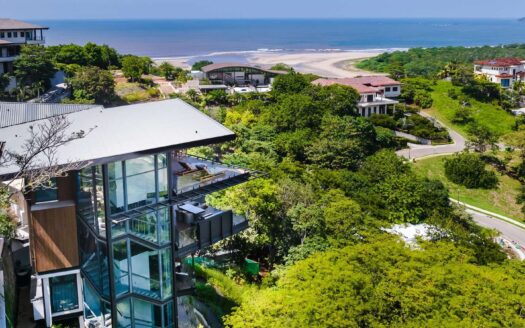
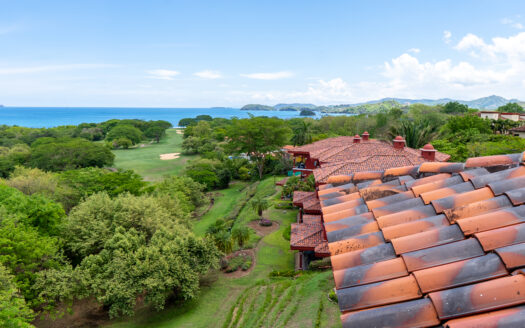
Coastal areas such as Guanacaste, Tamarindo, and the Central Pacific are especially popular for vacation homes and short term rentals.
Property values in high demand regions have shown long term appreciation driven by limited coastal land, infrastructure improvements, and international demand. For buyers focused on lifestyle, Costa Rica offers beaches, rainforests, healthcare access, and a relaxed pace of life.
Types of Properties You Can Buy
Understanding property categories helps buyers match goals with the right asset.
- Residential homes include villas, condominiums, and townhouses. These are common for retirees and second home buyers.
- Investment properties include vacation rentals, multi unit buildings, and income producing condos managed by property management companies.
- Land purchases include residential lots, agricultural land, and development parcels. Zoning rules and water availability are critical factors here.
- Commercial real estate includes hotels, retail spaces, and mixed use developments, often purchased by experienced investors.
Key Locations and Market Differences
Costa Rica real estate markets vary significantly by region.
- Guanacaste Province is known for beaches, tourism infrastructure, and strong rental demand. Tamarindo is a leading destination with international schools, hospitals, and services.
- Buyers exploring coastal investment opportunities often review Tamarindo properties for sale to understand pricing and inventory trends.
- The Central Valley includes San Jose, Escazu, and Santa Ana. This region appeals to buyers seeking urban amenities, business access, and long term residential rentals.
- The Southern Zone and Caribbean Coast offer lower entry prices and eco focused communities but may have less infrastructure.
How the Buying Process Works
The buying process in Costa Rica follows a structured legal path.
- First, buyers define budget, location, and property type. Working with a licensed real estate agent who understands local zoning and market values is strongly recommended.
- Second, once a property is selected, a purchase agreement is signed and a deposit is placed in escrow. Escrow services are commonly provided by reputable firms such as Stewart Title or First Costa Rican Title.
- Third, a Costa Rican real estate attorney conducts due diligence. This includes title search, boundary verification, zoning review, water availability confirmation, and checking for liens or easements.
- Fourth, the closing is completed before a Costa Rican notary public. The notary registers the transaction with the National Registry, making ownership official.
Legal and Regulatory Considerations
Some properties near the coastline fall under Maritime Zone Law. The first 50 meters from the high tide line is public land. The next 150 meters is concession land, which requires additional approvals and is typically held through a corporation.
Buyers should also understand property taxes, which are relatively low at approximately 0.25 percent of the registered value annually. Luxury homes above a certain value may be subject to a luxury home tax.
Environmental regulations protect wetlands, forests, and wildlife corridors. Due diligence must confirm buildability and permits.
Financing and Payment Options
Most property purchases in Costa Rica are cash transactions. Local bank financing for foreigners is limited and often requires residency and income documentation.
Some developers offer direct financing on new construction projects. Private seller financing is also possible but must be carefully structured with legal oversight. Funds are typically transferred via international wire to escrow accounts to ensure transparency and security.
Standards, Title Protection, and Support
Costa Rica uses a Torrens style title system, which provides strong ownership security when properly registered. Title insurance is available and recommended, especially for higher value purchases or concession properties.
Reputable title insurance providers offer coverage against undiscovered defects or registration errors. Post purchase support often includes property management services, legal compliance assistance, and rental management for income properties.
How to Choose the Right Property
Buyers should align property selection with clear goals. Lifestyle buyers should prioritize location, access to healthcare, and community services. Investors should evaluate rental demand, occupancy rates, and local regulations.
Always verify water source legality, road access, and zoning classification. Avoid rushing and never skip legal due diligence, even when buying new construction.
FAQs
Can foreigners legally own property in Costa Rica?
Yes, you can buy property in Costa Rica as a foreigner and enjoy the same ownership rights as citizens, with no residency requirement.
Is it safe to buy property in Costa Rica?
Yes when using a qualified attorney, proper due diligence, and escrow services.
Do I need a lawyer to buy property?
Yes, a Costa Rican real estate attorney is essential for title verification and legal protection.
How long does the buying process take?
Most transactions take 30 to 60 days depending on due diligence and escrow timelines.
Are property taxes high in Costa Rica?
No property taxes are low compared to the United States and many other countries.
Conclusion
Choosing the right real estate partner is just as important as choosing the right property. Working with a trusted and experienced agency ensures accurate pricing, legal transparency, and local market insight throughout the buying process.
Palmyra Properties specializes in helping international buyers navigate Costa Rica’s real estate market with confidence. From property selection and due diligence to closing support and after sale guidance, their team provides end to end assistance tailored to your investment and lifestyle goals.
If you are planning to buy property in Costa Rica, contact Palmyra Properties to make informed, secure, and stress free decisions at every stage of your journey.