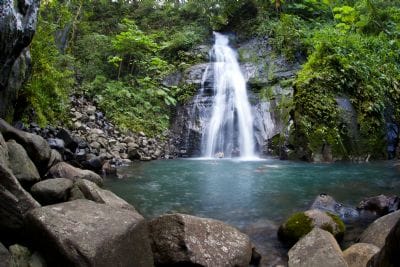
Cocos Island National Park in Costa Rica is one of the most remote and biologically important marine destinations in the world. It is located far offshore in the Pacific Ocean and is known for its untouched underwater ecosystems and rare marine life encounters.
The island is recognized by UNESCO as a World Heritage Site due to its exceptional biodiversity and global ecological value. Unlike most travel destinations, it remains completely uninhabited and strictly protected, making it a true ocean wilderness.
What Is Cocos Island National Park
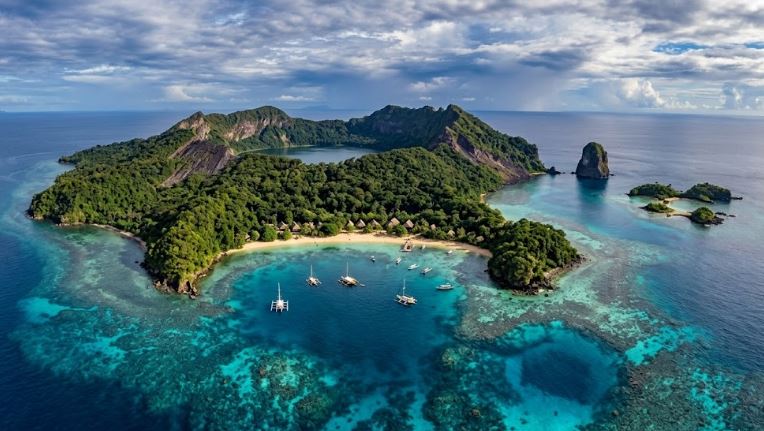
Cocos Island National Park is a fully protected marine national park located approximately 550 kilometers from the Pacific coast of Costa Rica. It exists as a volcanic island surrounded by deep ocean waters and is considered one of the most intact marine ecosystems on Earth.
The island has no permanent population, no hotels, and no land-based tourism infrastructure. Access is only allowed through regulated marine expeditions, ensuring strict conservation control.
Core Characteristics
- Remote volcanic island ecosystem
- Entirely uninhabited landmass
- Strict marine protection laws
- Accessible only via liveaboard expeditions
- High biodiversity conservation zone
Why Cocos Island Is Globally Famous
Cocos Island National Park is internationally known for its exceptional underwater biodiversity and large pelagic species. It is often considered one of the top advanced diving destinations in the world.
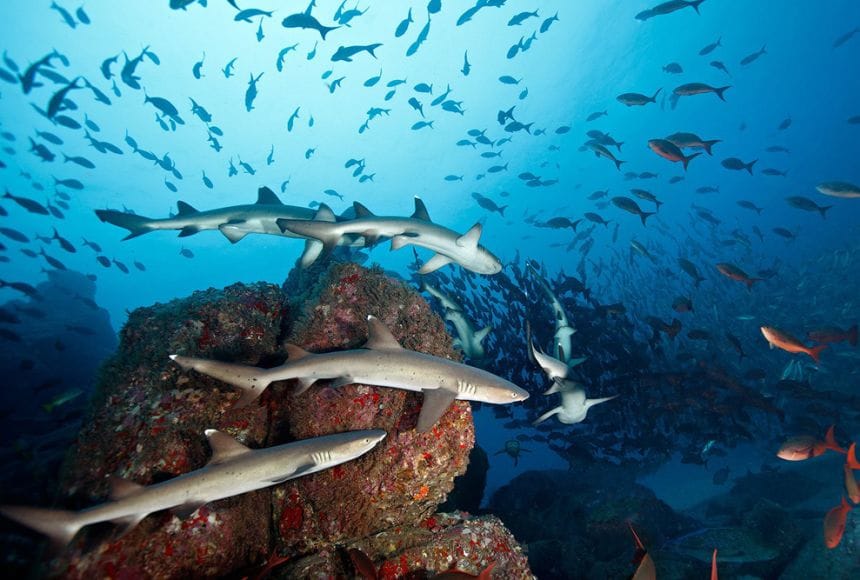
One of its most iconic features is the presence of large schools of scalloped hammerhead sharks, which makes it a globally significant shark aggregation site. The surrounding waters also support whale sharks, manta rays, spinner dolphins, tuna, and other large ocean predators.
These species are drawn to the nutrient-rich deep ocean currents surrounding the island. The underwater terrain includes volcanic pinnacles, steep drop-offs, and coral ecosystems that create a complex marine habitat supporting both reef and pelagic species.
How to Reach Cocos Island National Park
Access to Cocos Island National Park is highly restricted and only possible through authorized diving expeditions departing from Costa Rica. The journey typically begins in San José, followed by travel to the Pacific coastal region, usually Puntarenas.
From there, only certified liveaboard dive vessels are permitted to continue the journey. The ocean crossing takes approximately 30 to 36 hours depending on sea conditions. There are no airports, ferries, or public transport options to the island.
Best Time to Visit Cocos Island
The island can be visited year-round, but underwater conditions vary depending on seasonal ocean patterns. During calmer months, sea conditions improve, and underwater visibility becomes clearer, making it ideal for photography and stable diving experiences.
During more active marine seasons, stronger currents bring increased marine life activity, offering more dynamic encounters with large pelagic species.
Diving Experience at Cocos Island
Diving is the only way to experience Cocos Island National Park, and it is considered one of the most advanced scuba diving environments globally.
The underwater landscape is shaped by strong ocean currents, volcanic formations, and deep seamounts. Drift diving is the standard diving style in this region.
Diving Conditions
- Strong and unpredictable currents
- Deep volcanic underwater structures
- Drift diving environment
- Visibility between 15 to 30 meters
Famous Dive Sites
- Bajo Alcyone (hammerhead aggregation site)
- Dirty Rock
- Manuelita Coral Garden
- Volcanic pinnacles and seamounts
Required Experience Level
- Advanced Open Water certification minimum
- Drift diving experience recommended
- Strong physical fitness required
Cost of Visiting Cocos Island
A trip to Cocos Island National Park is considered a premium expedition due to its remote location and strict conservation rules. Liveaboard expeditions typically range between 3500 and 6000 USD depending on duration and operator.
Additional costs may include equipment rental and international flights to Costa Rica. National park fees are usually included in the expedition package.
Conservation and Environmental Protection
Strict conservation measures are enforced to protect the fragile marine ecosystem of Cocos Island National Park.
Visitors must follow strict environmental guidelines to preserve biodiversity and natural behavior patterns of marine life.
Key Conservation Rules
- No touching marine animals
- No collecting coral or natural objects
- No fishing or extraction activities
- No feeding marine wildlife
- All waste must remain onboard vessels
These measures ensure long-term ecological stability and global marine conservation value.
Global Importance of Cocos Island
Cocos Island National Park plays a critical role in marine science and global biodiversity research. It serves as a natural laboratory for studying shark migration patterns, ocean currents, and deep-sea ecosystems.
It is also important for climate change research and long-term marine conservation studies. Its protection under UNESCO ensures that it remains a globally significant ecological reference site.
Who Should Visit
This destination is ideal for experienced scuba divers, marine photographers, and ocean conservation enthusiasts seeking remote and challenging underwater environments.
It is not suitable for beginners, cruise tourists, or non-diving travelers due to strong currents and advanced diving requirements.
Travel Preparation Tips
Travelers should prepare carefully due to the remote nature of the destination. Long ocean crossings exceeding 30 hours are common, and motion sickness prevention is strongly recommended.
Divers should have prior drift diving experience and ensure proper certification before traveling. Booking is recommended several months in advance due to limited expedition availability. Professional underwater equipment and reef-safe sunscreen are also advised.
FAQs
Can you stay on Cocos Island Costa Rica?
No, there are no hotels or land-based accommodations. Visitors stay only on liveaboard dive boats.
How do you reach Cocos Island National Park?
Only by licensed diving vessels departing from Costa Rica.
What is Cocos Island famous for?
It is best known for hammerhead shark diving, whale shark encounters, and marine biodiversity.
Is Cocos Island safe for tourists?
Yes, but only for experienced divers due to strong ocean currents and deep-water conditions.
How long does it take to reach Cocos Island?
Around 30 to 36 hours by boat from mainland Costa Rica.
Conclusion
Cocos Island National Park is one of the last remaining untouched marine wilderness areas in the world. Located in Costa Rica and protected by UNESCO, it offers a rare and advanced diving experience that attracts serious ocean explorers from around the globe.
For experienced divers, it represents not just a destination but a rare opportunity to explore one of the most pristine marine ecosystems on Earth.
Extend Your Journey Beyond Travel
For travelers inspired by the raw beauty of Cocos Island National Park, the experience does not have to end at the ocean. Palmyra Properties offers premium real estate investment opportunities, vacation rentals, and curated living experiences across Costa Rica.
Whether you are looking to invest in coastal property, secure a private vacation home, or explore long-term lifestyle options, their expert team provides personalized guidance tailored to your goals.
Connect with a trusted property agent in Costa Rica today to turn your travel experience into a lasting investment.
Explore Luxury Properties in Costa Rica
Find, buy, and secure your dream Costa Rica property with stunning ocean views and unmatched luxury living.