

How to Buy Property in Costa Rica as a Foreigner
Costa Rica has emerged as one of the most attractive destinations for foreigners seeking real estate investment, vacation homes, or permanent residency. With its stunning beaches, lush rainforests, and welcoming pura vida lifestyle, the country offers a unique combination of natural beauty and stable investment opportunities.
Buying property as a foreigner in Costa Rica is a straightforward process, but understanding local laws, property types, and the legal framework is crucial.
This guide provides a step-by-step approach to help international buyers navigate the Costa Rican real estate market with confidence.
Understanding Costa Rican Property Laws for Foreigners
Foreign buyers enjoy nearly the same property rights as Costa Rican citizens. According to the Constitution, non-residents can purchase and own 100% of a property, either individually or through a Costa Rican corporation.
Key legal points to note:
- Maritime-Terrestrial Zone: The first 200 meters from the high-tide line along the coast are regulated. The first 50 meters are public property; the next 150 meters can be leased via concessions. Foreigners cannot own concession land outright but can hold long-term leases.
- Property Titles: Costa Rica recognizes fee simple (titled property) and concession property. Fee simple is full ownership, whereas concession involves leasing government land.
- Due Diligence Requirement: Always hire a reputable local attorney to verify property titles, check for liens, and confirm zoning compliance.
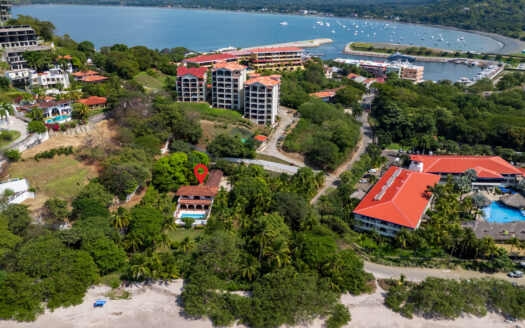
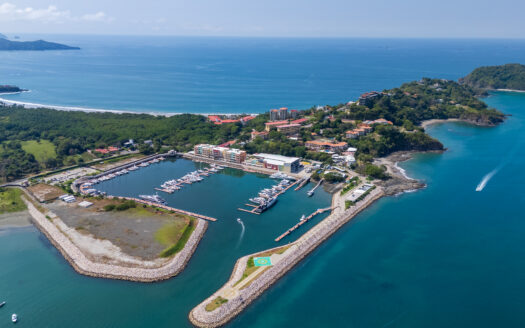
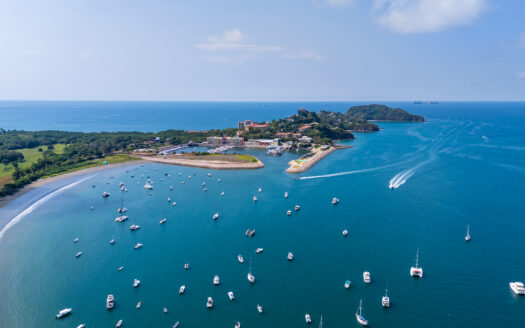
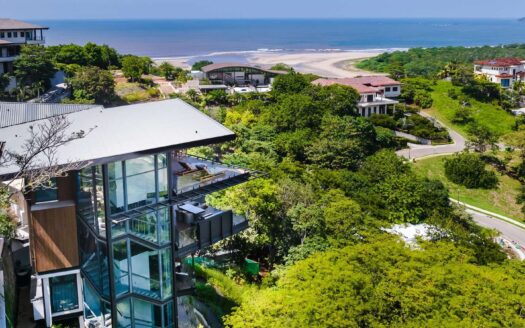
Focus on locations like Tamarindo, Playa Flamingo, Playa Langosta, Playa Grande, Avellanas, Hacienda Pinilla, Las Catalinas, Peninsula Papagayo, Guanacaste, and the Nicoya Peninsula, as these areas are popular among foreign investors and offer high rental potential.
Choosing the Right Property
Costa Rica offers diverse property types catering to different needs:
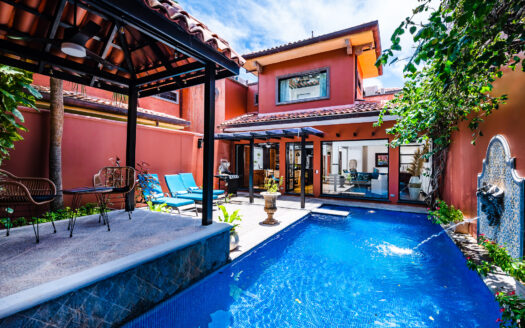
- Beachfront Villas and Condos: Ideal for short-term rentals and tourism-focused investments.
- Mountain Retreats: Located in the Central Valley or higher altitudes; cooler climate and private estates.
- Rural Land and Farmhouses: For those seeking a quieter lifestyle or development opportunities.
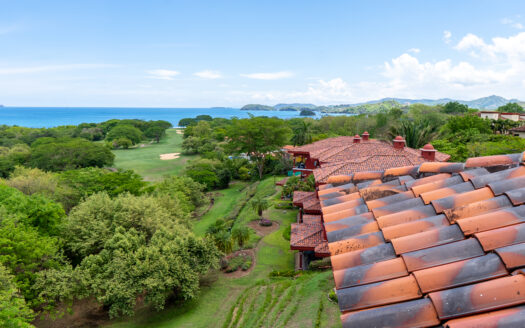
- Luxury Residences in Guanacaste and Peninsula Papagayo: High-end real estate for long-term appreciation.
Explore all property options and detailed steps for choosing the perfect property in Costa Rica.
Hiring a Reputable Real Estate Agent
A local agent familiar with Costa Rican real estate law and foreign buyer regulations is crucial. They provide:
- Insight into local market trends and pricing.
- Access to verified property listings.
- Guidance through the negotiation and contract process.
Tip: Look for agents registered with the Costa Rican Chamber of Real Estate (CCCB) or CRGAR to ensure credibility.
Legal Due Diligence and Documentation
Before finalizing a purchase, thorough due diligence is required:
- Title Verification: Confirm ownership and ensure no disputes or encumbrances exist.
- Survey & Boundaries: Ensure the land size and boundaries match public records.
- Environmental & Zoning Compliance: Coastal and protected areas require additional permits.
- Infrastructure Evaluation: Check access to utilities, roads, and local services.
Fact: Costa Rica’s National Registry (Registro Nacional) holds property records, and all real estate transactions are registered here through a notary, who is also a lawyer.
Structuring the Purchase
Foreigners often buy property through:
- Individual ownership: Direct ownership under the buyer’s name.
- Corporation (S.A. or S.R.L.): Offers tax advantages, easier succession planning, and facilitates managing multiple properties.
Process steps:
- Preliminary Contract (Contrato de Promesa de Compra Venta): Outlines price, deposit (usually 10–20%), and closing conditions.
- Public Deed (Escritura Pública): Final purchase deed signed before a notary.
- Registration: Transaction registered in the National Registry, making the buyer the official owner.
Financing Options
While most foreign buyers purchase with cash, there are financing routes:
- Seller Financing: Negotiated directly with the property owner.
- Costa Rican Banks: Typically require 30–50% down payment and may favor residents.
- Home Equity or International Loans: Using funds from properties in the buyer’s home country.
Fact: Closing costs range from 3–5% of property value, including transfer tax (1.5%), notary fees (1–2%), registration, and legal fees.
Taxes and Ongoing Costs
Foreign property owners must comply with Costa Rican taxes:
- Annual Property Tax: Approximately 0.25% of registered value.
- Luxury Real Estate Tax: Applies to properties over $230,000 (0.25–0.55%).
- Rental Income Tax: If the property is leased, income is taxable.
Tip: Budget for property management and maintenance, especially for vacation rentals.
Investment Potential
Costa Rica’s tourism industry drives strong rental demand, especially in Guanacaste, Nosara, and Tamarindo.
Facts & Figures:
- Tourism Growth: Guanacaste receives over 1 million tourists annually.
- Rental Yields: Short-term rental ROI can range 6–10% in high-demand beach areas.
- Appreciation: Coastal and resort properties have seen 5–7% annual appreciation in the last 5 years.
Lifestyle and Residency
Owning property can be combined with legal residency. Popular options for foreigners:
- Pensionado Visa: For retirees with stable income.
- Rentista Visa: Requires proof of steady income or deposit.
- Inversionista Visa: For investors purchasing property above $200,000.
Costa Rica’s Pura Vida lifestyle emphasizes community, nature, and relaxation, making it an attractive destination for long-term living.
Common Risks and How to Avoid Them
- Concession Land Misunderstandings: Ensure proper lease agreements for maritime zones.
- Title Fraud or Encumbrances: Always use a licensed attorney for verification.
- Environmental Restrictions: Check if property falls under protected zones or coastal regulations.
- Unlicensed Agents: Work with certified real estate professionals only.
Tip: Conduct thorough due diligence to protect your investment and avoid legal disputes.
FAQs
Can foreigners legally own property in Costa Rica?
Yes, foreigners enjoy the same rights as citizens but must follow rules for coastal concession land.
What is the Maritime-Terrestrial Zone?
It’s a 200-meter coastal area with 50 meters public and 150 meters lease-only; foreign ownership is restricted.
Do I need a local attorney to buy property?
Yes, a licensed attorney ensures clear title, verifies zoning, and guides the purchase legally.
What are the best locations for investment?
Tamarindo, Playa Flamingo, Playa Langosta, Nosara, Hacienda Pinilla, Las Catalinas, Guanacaste, Peninsula Papagayo.
What taxes should foreign buyers expect?
Annual property tax (0.25%), luxury tax (0.25–0.55%), and rental income tax if leased.
Final Recommendations
Buying property in Costa Rica as a foreigner is safe, well-regulated, and potentially lucrative if approached with the right knowledge and professional support.
Stepwise Checklist for Buyers:
- Research market & target location (Tamarindo, Guanacaste, Nosara).
- Hire licensed real estate agent & attorney.
- Conduct due diligence & property surveys.
- Decide ownership structure (individual vs corporation).
- Sign preliminary contract & deposit.
- Finalize deed & register at National Registry.
- Pay taxes, insurance, and maintenance fees.
- Explore residency options if planning long-term stay.
By following these steps, foreign investors can enjoy a seamless property purchase, benefit from rental income opportunities, and embrace the Pura Vida lifestyle in one of the world’s most beautiful and investor-friendly countries.
Looking to buy property in Costa Rica? Contact Palmyra Properties for exclusive listings, legal guidance, and investment opportunities.