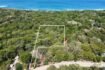


Buying Property in Costa Rica: A Smart Move Toward Your Dream Lifestyle
Imagine waking up to tropical greenery, enjoying beautiful Pacific Coast sunsets, and spending your days surrounded by the natural beauty of Central America. For many people, Costa Rica represents more than a vacation destination. It offers an opportunity to explore a different lifestyle, establish a second home, or diversify their real estate investments.
Buying property in Costa Rica can be an exciting step toward achieving these goals. From coastal villas and modern homes to spacious land parcels and peaceful residential communities, the country offers a variety of property options for different lifestyles and budgets.
However, making the right decision requires more than finding a beautiful location. Understanding the local real estate market, evaluating ownership costs, and researching the legal requirements can help buyers make informed decisions.
In this guide, we explore why Costa Rica attracts property buyers, which locations are worth considering, and how to approach your property search with confidence.
Why Consider Buying Property in Costa Rica?
Costa Rica attracts international visitors and property buyers through its natural landscapes, outdoor lifestyle, and established tourism industry. Its Pacific coastline, tropical forests, and diverse communities appeal to people seeking a home away from busy urban environments.
Here are several reasons buyers consider owning property in the country.
1. Enjoy a Different Way of Life
One of the biggest attractions of Costa Rica is the opportunity to embrace a lifestyle connected to nature. Depending on the location, residents can enjoy beaches, hiking trails, wildlife, outdoor dining, and a variety of recreational activities.
For buyers seeking a primary residence, retirement home, or vacation property, these lifestyle benefits can be an important part of the decision.
Of course, the right location depends on personal priorities. Some buyers prefer a lively coastal town with restaurants and shops, while others value privacy, open space, and a quieter setting.
2. Explore Different Real Estate Opportunities
Buying property in Costa Rica gives buyers access to different types of real estate, including:
- Residential homes: Suitable for full-time living or a second residence.
- Vacation properties: Homes that may also be considered for short-term rental, subject to local regulations.
- Land parcels: Opportunities for buyers interested in future construction, provided the land meets applicable legal and development requirements.
- Luxury properties: Villas and residences offering features such as ocean views, private pools, outdoor living areas, or spacious grounds.
Each property type comes with different costs, responsibilities, and considerations. Buyers should evaluate their intended use before deciding which option best fits their goals.
3. Discover the Appeal of Coastal Living
Costa Rica’s Pacific Coast is a major attraction for people who appreciate ocean views, warm weather, and outdoor activities.
Areas within Guanacaste, including Tamarindo, Playa Flamingo, and Playa Avellanas, offer different combinations of coastal scenery, residential communities, local amenities, and tourism activity.
Some buyers prioritize convenient access to restaurants and entertainment, while others look for quieter surroundings or properties with greater privacy.
The important thing is to evaluate each location individually rather than assuming every coastal property offers the same lifestyle or investment potential.
Why Guanacaste Deserves a Closer Look
Guanacaste is an appealing region to explore when buying property in Costa Rica, particularly for buyers interested in the country’s northwestern Pacific Coast.
The region includes established coastal destinations, residential developments, and areas with opportunities for different property preferences.
Tamarindo: A Lively Coastal Destination
Tamarindo is known for its beach, surfing, restaurants, shops, and tourism-oriented atmosphere. Buyers who value convenient access to local amenities may find the area worth exploring.
Property options vary, so comparing location, construction quality, accessibility, and ongoing expenses is essential.
Playa Flamingo: Coastal Scenery and Residential Appeal
Playa Flamingo attracts attention for its coastal setting, marina, and surrounding residential areas. Buyers exploring this location may consider villas, condominiums, and other properties depending on their budget and intended use.
It is important to compare individual properties and verify any relevant community fees, restrictions, and ownership costs.
Playa Avellanas: A More Relaxed Coastal Environment
Playa Avellanas is associated with surfing, natural surroundings, and a quieter coastal atmosphere than some larger tourist centers.
Buyers considering properties in this area should pay particular attention to road access, water availability, utilities, and the distance to essential services.
The best location is the one that matches your lifestyle, practical needs, and long-term plans. Visiting different areas and evaluating properties in person can provide valuable perspective before making a commitment.
Is Buying Property in Costa Rica a Good Investment?
Real estate can play a role in a broader financial plan, but the potential benefits depend on the individual property, purchase price, ownership expenses, and market conditions.
Before buying property in Costa Rica for investment purposes, consider the following factors.
Potential Rental Opportunities
Properties in destinations with established tourism activity may appeal to vacation renters. However, rental performance varies based on seasonality, location, property condition, competition, management quality, and local rules.
Before purchasing a property for rental income, research comparable rentals and estimate realistic occupancy rates, operating costs, management fees, and taxes.
Avoid relying solely on projected gross rental income when evaluating whether a property is financially suitable.
Long-Term Ownership Considerations
Some buyers purchase real estate with the intention of holding it for several years. During this period, the property’s value may be influenced by local demand, infrastructure, accessibility, maintenance, and wider economic conditions.
Property appreciation is never guaranteed. A careful evaluation should account for the possibility of changing market conditions and the costs of eventually selling.
Lifestyle Value Beyond Financial Returns
Not every property purchase needs to be evaluated exclusively through rental income or resale potential.
For buyers planning to live in Costa Rica or spend part of the year there, access to nature, community amenities, personal comfort, and proximity to family or work may be equally important.
Defining your primary goal before searching will help you assess properties using the criteria that matter most to you.
What Should You Know Before Buying Property in Costa Rica?
A beautiful property is only one part of a successful purchase. Buyers should also investigate the legal, financial, and practical details that determine whether the property is suitable for their plans.
1. Establish Your Budget
Your budget should include more than the advertised purchase price.
Depending on the transaction and property, additional expenses may include:
- Legal and closing costs.
- Applicable transfer taxes and registration fees.
- Property inspections and surveys.
- Insurance and maintenance.
- Utilities and property management.
- Homeowners association or community fees, where applicable.
- Taxes and other recurring ownership expenses.
Ask qualified local professionals to estimate the costs associated with your specific transaction before making a final commitment.
2. Verify the Property’s Legal Status
Legal due diligence is essential when buying property in Costa Rica.
Work with an independent Costa Rican real estate attorney to review the property’s registered ownership, title, liens, easements, survey information, and any other relevant restrictions.
For undeveloped land, investigate zoning, permitted land use, legal access, water availability, and whether the intended construction is feasible.
Coastal properties require particular care because some areas fall under the Maritime Terrestrial Zone, where special concession rules and restrictions may apply. Do not assume that every beachfront property is privately titled or available under the same ownership arrangements.
3. Understand Financing and Payment Requirements
Buyers should investigate their financing options early. Depending on their circumstances, they may consider cash purchases or explore available financing arrangements.
Confirm the required deposit, payment schedule, currency, transaction costs, and any financing conditions before signing binding agreements.
If you earn income in another currency, consider how exchange-rate changes could affect your budget.
4. Research the Local Community
A property’s surroundings can influence your everyday experience and long-term satisfaction.
Consider access to healthcare, supermarkets, schools if needed, reliable internet, transportation, and other essential services. Visit at different times of day and, when possible, during different seasons.
Also investigate road conditions, drainage, water supply, and the property’s suitability for the intended use.
5. Plan for Ongoing Property Management
If you intend to live abroad or use your property only occasionally, consider how maintenance, security, repairs, and tenant communication will be handled.
A reliable local property manager may help coordinate these responsibilities, but management fees and the scope of services should be clearly understood before purchase.
A Step-by-Step Guide to Buying Property in Costa Rica
If you are ready to explore the market, the following steps provide a practical starting point.
Step 1: Define your goals. Decide whether you want a primary residence, vacation home, rental property, or land for future development.
Step 2: Choose your preferred location. Compare areas such as Tamarindo, Playa Flamingo, and Playa Avellanas based on lifestyle, amenities, accessibility, and budget.
Step 3: Set a realistic budget. Include the purchase price, transaction costs, maintenance, taxes, and any planned improvements.
Step 4: Compare suitable properties. Review location, condition, property documentation, utilities, and the features most important to you.
Step 5: Complete independent due diligence. Engage a qualified local attorney and relevant technical professionals to investigate the property before proceeding.
Step 6: Review the purchase agreement. Understand the terms, deadlines, contingencies, deposit arrangements, and obligations before signing.
Step 7: Plan for ownership. Arrange insurance, utilities, maintenance, and property management as needed.
Following a structured process can help you avoid rushing into a purchase based only on appearance or emotion.
Common Mistakes to Avoid When Buying Property in Costa Rica
Even an attractive property can present challenges if important details are overlooked.
Keep these common mistakes in mind:
- Skipping legal verification: Never rely exclusively on a seller’s assurances about title, boundaries, or permitted uses.
- Underestimating expenses: Calculate total ownership costs rather than focusing only on the purchase price.
- Assuming rental income is guaranteed: Use realistic estimates and account for vacancy, management, maintenance, and taxes.
- Choosing a location without visiting: Research the area and assess whether it meets your practical needs.
- Overlooking water and access: Confirm legal access, water availability, and relevant infrastructure before purchasing land.
- Ignoring future plans: A property suitable for a holiday home may not meet your requirements for permanent living or development.
Taking time to investigate these issues can make the buying process more informed and manageable.
Is Costa Rica the Right Place for Your Dream Home?
Buying property in Costa Rica can be an opportunity to pursue a new lifestyle, enjoy a coastal environment, or explore real estate ownership in a distinctive market.
However, the right choice depends on your personal circumstances, financial position, preferred location, and intended use of the property.
For some buyers, a home near the amenities of Tamarindo may be ideal. Others may prefer the residential appeal of Playa Flamingo or the quieter surroundings of Playa Avellanas. There is no single answer that works for everyone.
The best starting point is to define what you want from property ownership, research your preferred locations, and assess each opportunity carefully.
At MyPalmyra, exploring Costa Rica real estate starts with understanding your goals and identifying properties that align with your vision. With thoughtful research and appropriate professional guidance, you can take a more confident approach to finding a property that fits your plans.
Your dream home begins with an informed decision.
Frequently Asked Questions
1. Can foreigners buy property in Costa Rica?
In general, foreign nationals can own titled property in Costa Rica under the same basic ownership framework as Costa Rican citizens. However, special rules may apply to certain coastal concession properties and other restricted areas. Obtain legal advice about the specific property before proceeding.
2. Is buying property in Costa Rica a good idea?
It can be suitable for buyers seeking a primary residence, vacation home, or real estate investment. The decision depends on purchase price, location, legal status, ownership costs, and personal objectives. Property appreciation and rental returns are not guaranteed.
3. Which areas of Costa Rica are popular with property buyers?
Guanacaste destinations such as Tamarindo, Playa Flamingo, and Playa Avellanas attract buyers interested in Pacific Coast living. Each area offers a different mix of amenities, scenery, property types, and accessibility.
4. What costs should I consider when buying property in Costa Rica?
Consider the purchase price, legal fees, closing costs, applicable taxes, inspections, insurance, maintenance, utilities, and property management. Community fees and financing costs may also apply.
5. Can I rent out my property in Costa Rica?
Rental opportunities may be available depending on the property and location. Owners should investigate local regulations, community restrictions, tax obligations, management expenses, and realistic rental demand before purchasing for this purpose.
6. What should I check before buying land in Costa Rica?
Verify ownership, title, survey boundaries, zoning, legal access, water availability, environmental restrictions, and construction requirements. Consult a qualified local attorney and relevant technical professionals before committing to a purchase.
7. Do I need a real estate attorney to buy property in Costa Rica?
Working with an independent Costa Rican real estate attorney is strongly recommended. The attorney can review the transaction, investigate legal issues, explain relevant restrictions, and help protect your interests during the purchase process.
8. How do I start looking for property in Costa Rica?
Start by defining your budget, preferred location, and intended use. Compare available properties, research the surrounding community, and arrange independent legal due diligence before making a binding commitment.